
Expanded Metal Mesh Machine: A Comprehensive Guide to Types, Processes, and Prices
An expanded metal mesh machine is an essential piece of equipment used to produce expanded metal mesh. This versatile material is widely used across various industries, including construction, security, filtration, and even architecture. The process involves creating a strong mesh from a single sheet of metal, which is then expanded into a mesh with uniform openings, often in a diamond-shaped pattern. In this article, we will explore the different types of expanded metal mesh machines, the processes involved, and the factors that influence the price of these machines.

High-Efficiency Expanded Metal Mesh Machine (2)
What is an Expanded Metal Mesh Machine?
An expanded metal mesh machine is designed to create an expanded metal mesh by cutting and stretching a metal sheet. The process stretches the sheet and creates a pattern of diamond-shaped openings, which results in a mesh that is both strong and lightweight. The expanded metal mesh is then used in various applications, including fencing, gratings, and architectural features.
These machines work by taking a metal sheet, typically made of steel, aluminum, or stainless steel, and passing it through a set of specialized dies that simultaneously slit and stretch the sheet. The result is a uniform pattern of diamonds, with the strength of the material increased due to the way it is expanded.
Types of Expanded Metal Mesh Machines
There are several types of expanded metal mesh machines, each designed to suit different production needs and material specifications. Here are the most common types:
1. Standard Expanded Metal Mesh Machine
The standard expanded metal mesh machine is the most commonly used type in the industry. It is designed to produce raised expanded metal with a uniform pattern. This machine works by feeding a metal sheet into a set of slitting and expanding rollers, which cut and stretch the sheet to create a mesh pattern.
- Key Features:
- Versatile for different metal materials (steel, aluminum, etc.)
- Economical and efficient for general production needs
- Ideal for creating robust mesh for security, fencing, and flooring applications
2. Flattened Expanded Metal Mesh Machine
A flattened expanded metal mesh machine produces flattened expanded metal, which is used when a smoother surface is needed. After the sheet is expanded, it goes through a rolling mill that flattens the raised mesh, making it ideal for applications requiring a smooth finish.
- Key Features:
- Produces a smooth, flat surface
- Reduces the thickness of the material, making it easier to work with
- Often used in architectural and decorative applications
3. Decorative Expanded Metal Mesh Machine
This type of expanded metal mesh machine is designed to create decorative expanded metal, often used for aesthetic applications in architecture and design. The patterns produced can be varied, with custom designs created for specific projects.
- Key Features:
- Ability to create custom patterns
- Suitable for both functional and decorative purposes
- Popular in the architectural and design industries
4. Heavy Duty Expanded Metal Mesh Machine
For applications requiring thicker material or larger mesh sizes, a heavy-duty expanded metal mesh machine is used. These machines are designed to handle more robust materials and produce heavier, stronger mesh.
- Key Features:
- Ideal for high-strength applications
- Can handle thicker sheets of metal
- Used in industries such as construction, manufacturing, and industrial security
The Expanded Metal Mesh Process
The process of creating expanded metal mesh involves several key steps. Here’s a breakdown of the process:
1. Material Selection
The first step is selecting the material for the expanded metal mesh. Common materials include mild steel, stainless steel, and aluminum, depending on the application. Stainless steel is often used for its corrosion resistance, while aluminum is chosen for its lightweight properties.

Expanded Metal Mesh Machine A Comprehensive Guide (1)
2. Slitting and Stretching
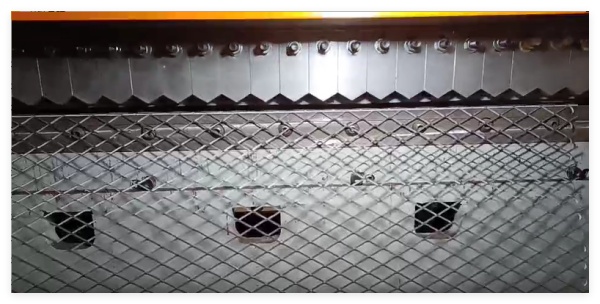
Once the material is selected, it is fed into the expanded metal mesh machine. The machine uses a series of dies and rollers to slit the metal sheet and simultaneously stretch it. This creates the characteristic diamond-shaped pattern of the mesh.


3. Flattening (Optional)
If flattened expanded metal is required, the expanded metal passes through a rolling mill, which flattens the raised strands. This step is essential for creating a smooth surface for architectural and other applications.
.jpg)
Expanded Metal Mesh Machine A Comprehensive Guide (8)
4. Finishing
The mesh is then cut to the required size and shape. Additional processes, such as coating (e.g., galvanizing for corrosion resistance), may also be applied depending on the end use.
Factors Affecting the Price of Expanded Metal Mesh Machines
The price of an expanded metal mesh machine can vary significantly based on several factors. These include:
1. Machine Type
The type of machine you choose directly impacts the price. Standard expanded metal machines tend to be more affordable than specialized machines like decorative or heavy-duty expanded metal machines. If you need custom designs or high-strength applications, expect the price to increase.
2. Production Capacity
Machines with higher production capacities—such as those that can process larger sheets of metal or operate at faster speeds—will typically cost more. However, these machines offer better long-term value if you have high-volume production needs.
3. Customization
If you need a machine that can produce customized patterns or mesh sizes, the cost may increase depending on the complexity of the customization. RKM offers flexible solutions, and customization is one of the key factors that can influence pricing.
4. Brand and Technology
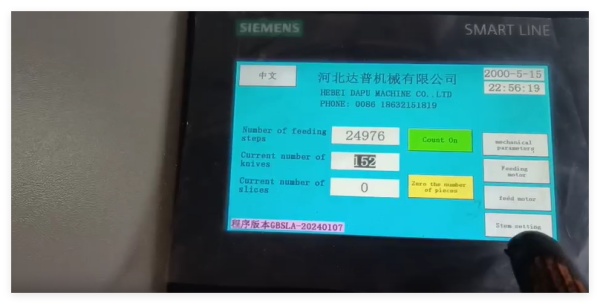
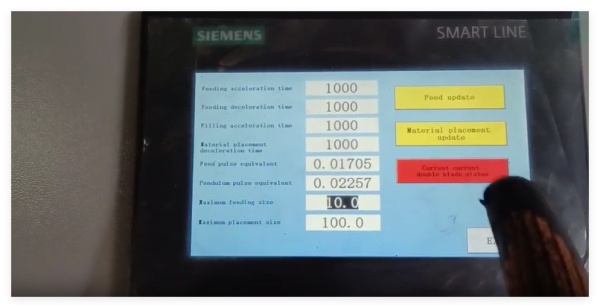
The quality of the machine and the manufacturer’s reputation also impact the price. Machines with advanced technology, such as automated controls and touchscreen interfaces, tend to cost more. High-quality machines will last longer and reduce downtime, offering better value in the long run.
5. Maintenance and After-Sales Support
Some manufacturers provide excellent after-sales support, including training, spare parts, and maintenance services. These factors are important to consider, as they can affect the long-term operational costs of the machine.
RKM: Your Trusted Supplier for Expanded Metal Mesh Machines
At RKM, we specialize in manufacturing high-quality expanded metal mesh machines suitable for a wide range of industries. Whether you need standard expanded metal, flattened expanded metal, or decorative metal mesh, we provide tailored solutions to meet your production requirements.
Why Choose RKM?
- Advanced Technology: We incorporate European technology and use high-quality components imported from Germany, Italy, and Japan.
- Customization Options: Our machines can be customized to produce various mesh patterns and sizes, ensuring they meet your specific needs.
- Durability and Efficiency: Built to last, our machines offer high efficiency, minimal downtime, and consistent performance.
- Competitive Pricing: We offer affordable pricing without compromising on quality, providing the best value for your investment.
If you’re looking for a reliable expanded metal mesh machine that delivers precision and efficiency, visit RKM Expanded Metal Mesh Machines to learn more.
Conclusion
The expanded metal mesh machine is a vital piece of equipment for creating durable, strong, and lightweight mesh for a variety of applications. Whether you need a standard mesh, flattened mesh, or a customized pattern, selecting the right machine is essential to ensuring high-quality output. With RKM’s high-quality machines, you can ensure precision, durability, and cost-effectiveness in your production.
Explore our range of expanded metal mesh machines today and take your production to the next level!
 English
 Russian
 Arabic
 Hindi
 Persian
 Portuguese
 French
 Panjabi
 Turkish
 Urdu
 Vietnamese
 Ukrainian
 Thai
 Kazakh
 Polish
 Romanian
 Danish
 Korean