
Wire Straightening Machines: Top Safety Guidelines for Operating
Wire straightening machines are essential in industries that manufacture bars, rods, and wires. These machines help correct bends and deformations in materials, ensuring that the final products meet the required quality standards. However, operating these machines requires a clear understanding of safety regulations to protect operators, ensure the longevity of the machinery, and prevent accidents. Given the complexity and power of wire straightening machines, safety is a priority in every phase of their operation. In this article, we will explore the top safety guidelines for operating wire straightening machines, taking into account the theoretical and practical aspects of the straightening process.
1. Pre-Operation Checks
Before starting the wire straightening machine, it is essential to conduct thorough checks to ensure everything is in good working order. Pre-operation checks include:
- Machine Inspection: Check for any signs of wear or damage to the rollers, motor, gears, and other components. Pay close attention to roller profiles, which are crucial for achieving accurate straightness. If any rollers are damaged or excessively worn, they should be replaced immediately.
- Lubrication: Proper lubrication is vital for smooth machine operation. Ensure that all moving parts, particularly the rollers, are adequately lubricated. This will reduce friction, prevent overheating, and extend the life of the machine.
- Roller Alignment: Verify that the rollers are aligned correctly and that the roller profiles are suitable for the material being processed. Misaligned rollers can cause the bars to bend improperly, resulting in poor straightening and potential damage to the material.
- Roller Angle and Spacing Adjustments: For machines with adjustable roller angles, such as cross-roll or six-roll machines, make sure the roller angle is set to the optimal position based on the material diameter and desired straightness. The distance between rollers should also be adjusted to accommodate different bar sizes.
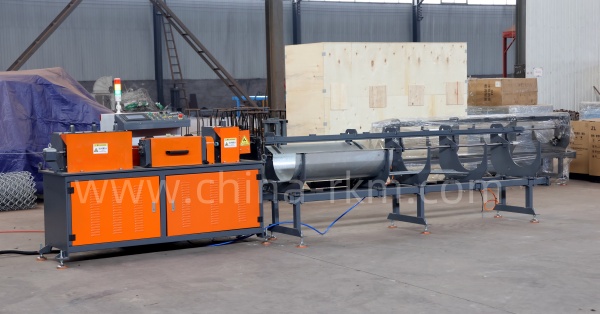
Wire Straightening Machines Guidelines
2. Operator Safety and Personal Protective Equipment (PPE)
Operators should always be equipped with the proper personal protective equipment (PPE) to minimize the risk of injury:
- Gloves and Safety Gear: Operators should wear thick gloves, particularly when handling material before or after the straightening process. Safety glasses or face shields are essential to protect against flying debris or sparks.
- Footwear: Steel-toed boots are necessary to protect against heavy materials or machinery that might fall or roll unexpectedly.
- Hearing Protection: Depending on the noise level of the machine, hearing protection, such as earplugs or earmuffs, should be worn to protect against long-term hearing damage from high noise levels during operation.
- Clothing: Loose clothing or jewelry should be avoided around the machine, as they can become entangled in moving parts. Operators should wear well-fitted clothing that does not present a risk of snagging.
3. Machine Operation and Control
Operating a wire straightening machine requires careful monitoring and control of various parameters. Operators should be trained to handle these machines with a focus on safety:
- Feed Speed Control: The feed speed of the material should be carefully controlled. If the material is fed too quickly, it may not straighten properly, leading to defects. If the speed is too slow, it could cause the machine to overwork, leading to overheating and damage. The speed should be adjusted depending on the material’s curvature and the machine’s capacity.
- Adjusting Straightening Force: For certain materials, such as high-tensile wire or larger bars, excessive straightening force can cause material fractures or even damage the machine. The force applied by the rollers should be regulated based on the material’s hardness and the degree of curvature. In machines like multi-staggered or skew-roll straighteners, the force applied by each roller is distributed, but it should still be closely monitored.
- Roller Pressure and Angle Adjustment: In machines like cross-roll straighteners or six-roll machines, the angle of the rollers and the pressure applied should be adjusted regularly based on the size and shape of the material being processed. Misadjusted roller angles can lead to poor straightening or cause the material to break under stress.
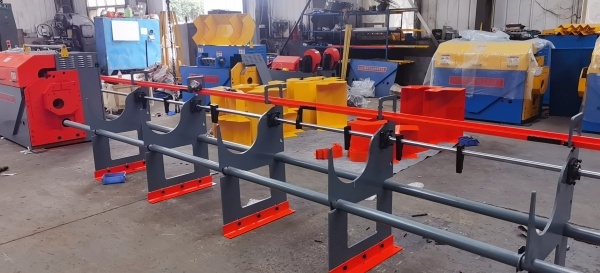
Wire Straightening Machines Extended Version
4. Monitoring Material Behavior
During the straightening process, the material undergoes bending and unbending. Operators should carefully monitor the material’s behavior to detect any issues early:
- Material Rotation: In cross-roll and skew-roll straighteners, the material rotates as it passes through the rollers. The rotation speed and angle should be controlled to avoid over-stressing the material. As the material bends and unbends, excessive rotation or too sharp of an angle can lead to warping or uneven straightness.
- Check for Cracking or Fractures: During straightening, bars, and rods can sometimes develop cracks, especially if excessive force is applied. Operators should be on the lookout for any signs of cracking or fractures during the process, particularly at the bar’s edges, where stress concentration is high.
- Residual Stress Monitoring: During the bending and unbending process, residual stresses are introduced into the material. These stresses can distort the material and affect its final quality. Operators should be aware of these stresses and take steps to minimize them, such as adjusting the roller profiles and distribution of load to ensure more even straightening.
5. Emergency Protocols and Shutdown Procedures
In case of a malfunction, it is important to have an emergency protocol in place. Operators should be trained to recognize early warning signs of machine failure and know how to shut down the machine immediately to avoid injury or damage.
- Emergency Stop Button: Ensure that the emergency stop button is easily accessible to the operator in case of an urgent need to halt the machine. The button should be tested regularly to ensure it works correctly.
- Stop the Machine for Inspection: If there is any unusual noise, vibration, or material behavior (e.g., excessive bending, or unusual cracking), the machine should be stopped immediately for inspection. Continuing to operate under these conditions can lead to more serious damage or accidents.
- Power Failure or Overload: In the event of a power failure or overload, the machine should be turned off and checked thoroughly before resuming operation. Overload conditions can cause machine malfunctions, overheating, or potential injury to the operator.
6. Post-Operation Procedures
Once the straightening process is complete, proper procedures must be followed to ensure safe handling and machine maintenance:
- Unloading and Handling: After the straightening process, the material should be unloaded carefully. Depending on the bar size and machine setup, this may involve using mechanical tools or manual handling. Always ensure that the material has cooled down before handling it, especially for high-tensile materials that may be brittle when hot.
- Cleaning and Maintenance: The machine should be thoroughly cleaned after operation to remove any debris, dust, or metal filings. Regular maintenance, such as lubricating the rollers and checking for wear, should be performed according to the manufacturer’s schedule.
- Monitoring and Reporting: Operators should log any issues or irregularities encountered during the operation. These reports can help identify recurring problems, improve safety, and assist with long-term maintenance planning.
7. Training and Continuous Education
To ensure the safety of machine operators, continuous education and training are essential. Operators should be familiar with the theoretical aspects of wire straightening, such as the role of residual stresses, plastic bending, and the mechanics of roller profiles. Regular training sessions should be held to refresh operators’ knowledge, teach them about new safety measures, and familiarize them with updated machine features and controls.
Conclusion
Operating wire straightening machines safely requires a combination of proper setup, vigilant monitoring, and adherence to strict safety protocols. By following the guidelines outlined above—ranging from pre-operation checks and proper PPE use to maintaining control over operational parameters—operators can minimize risks and ensure that the straightening process is efficient and safe. With continuous training, proper machine maintenance, and the integration of modern safety technologies, wire straightening operations can be conducted with the highest levels of precision and safety.
For manufacturers looking to upgrade their wire straightening capabilities, RKM’s wire straightening machines incorporate the latest European innovations, ensuring optimal performance, advanced safety features, and reliability. Whether you are straightening small-diameter rods or large structural beams, RKM offers high-quality, state-of-the-art machines designed with operator safety and efficiency in mind.
 English
 Russian
 Arabic
 Hindi
 Persian
 Portuguese
 French
 Panjabi
 Turkish
 Urdu
 Vietnamese
 Ukrainian
 Thai
 Kazakh
 Polish
 Romanian
 Danish
 Korean
 Spanish