
Working Principle of Expanded Metal Mesh Machine: In-depth Analysis for Easy Understanding
Expanded metal mesh is a versatile material widely used in various industries, including construction, architecture, security, and manufacturing. Its unique properties make it an ideal choice for applications requiring strength, durability, and aesthetic appeal. Understanding the working principle of an expanded metal mesh machine is essential for manufacturers looking to produce high-quality products efficiently. This article provides an in-depth analysis of the operational mechanics of expanded metal mesh machines, along with an overview of their applications.
What is Expanded Metal Mesh?
Expanded metal mesh is created by cutting and stretching a flat metal sheet into a mesh pattern. This process transforms the sheet into a strong and lightweight structure with openings that can vary in size and shape. The resulting product retains the inherent properties of the original material while offering additional benefits such as:
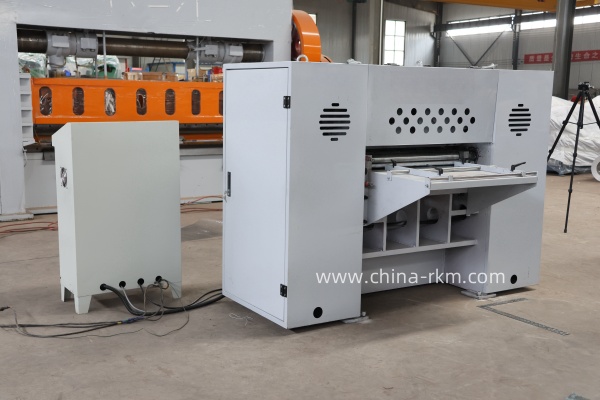
What is Expanded Metal Mesh
- Lightweight Construction: Despite its strength, expanded metal mesh is relatively lightweight, making it easy to handle and install.
- Increased Surface Area: The mesh structure provides a larger surface area compared to solid sheets, enhancing its utility in applications like filtration and sound attenuation.
- Versatility: Expanded metal mesh can be made from various metals, including steel, aluminum, and stainless steel, allowing for tailored applications based on material properties.
Working Principle of Expanded Metal Mesh Machines
The operation of an expanded metal mesh machine involves several critical steps, each contributing to the final product’s quality and characteristics. Here’s a detailed look at how these machines work:
1. Material Preparation
The process begins with selecting the appropriate metal sheet, typically made from materials like steel or aluminum. The sheet is fed into the machine, where it undergoes the following preparations:
- Cutting: The sheet is cut to the desired size before entering the expansion stage. This ensures that the final product meets specific dimensions for its intended application.
- Cleaning: Surface contaminants such as oils, dust, or rust are removed to ensure optimal adhesion during the expansion process.
2. Slitting and Punching
Once prepared, the sheet moves to the slitting and punching stage, where the machine creates precise cuts and holes in the metal:
- Slitting: The machine uses sharp blades to make longitudinal cuts along the sheet. These slits determine the eventual size and shape of the openings in the expanded mesh.
- Punching: Simultaneously, holes may be punched into the sheet to facilitate the expansion process. This step is crucial for creating the desired mesh pattern.
3. Expansion Process
The expansion process is the heart of the operation, where the sheet is transformed into expanded metal mesh:
- Stretching: The machine applies mechanical force to stretch the metal sheet. This force causes the slits to open and elongate, creating a mesh pattern. The expansion ratio can vary based on design specifications, impacting the size of the openings and the overall strength of the mesh.
- Uniformity: Advanced machines ensure uniform expansion across the entire sheet, which is critical for maintaining consistency in product quality.
4. Finishing
After the expansion process, the mesh may undergo several finishing steps to enhance its properties and appearance:
- Trimming: Excess edges are trimmed to create clean, smooth borders. This step is essential for ensuring that the expanded mesh can be easily handled and installed.
- Surface Treatment: Depending on the application, the mesh may be treated with coatings such as galvanization, powder coating, or painting. These treatments enhance corrosion resistance, aesthetics, and durability.
5. Quality Control
Quality control is a vital aspect of the production process. Various tests are conducted to ensure that the expanded metal mesh meets industry standards:
- Dimensional Inspection: Measurements are taken to verify that the mesh dimensions conform to specifications.
- Strength Testing: Samples may undergo tensile testing to assess their strength and durability.
Applications of Expanded Metal Mesh
Expanded metal mesh is a versatile material with numerous applications across different industries. Here are some of the key areas where it is commonly used:
1. Construction and Architecture
In construction, expanded metal mesh is used for a variety of purposes, including:
- Reinforcement: It is often used as a reinforcement material in concrete applications, enhancing structural integrity.
- Facades and Screens: Architects use expanded metal for decorative facades and screens that provide aesthetic appeal while allowing for airflow and light.
2. Security Fencing
Expanded metal mesh is widely utilized in security fencing solutions due to its strength and visibility:
- Perimeter Security: Its sturdy construction makes it ideal for perimeter fencing in industrial and commercial properties.
- Animal Enclosures: The mesh is also used for enclosures in agricultural settings, protecting while allowing visibility.
3. Filtration and Separation
The unique properties of the expanded metal mesh make it an effective material for filtration:
- Industrial Filters: It is employed in various industrial filters, allowing for the efficient separation of particles while maintaining high flow rates.
- Water Treatment: In water treatment facilities, expanded metal is used in screens to filter out debris and contaminants.
4. Grating and Walkways
In environments where safety and durability are critical, expanded metal mesh is often used for:
- Flooring and Walkways: Its slip-resistant surface makes it suitable for flooring in industrial settings, providing safe passage for workers.
- Platform Grating: Expanded metal mesh is commonly used as grating for platforms, ensuring strength and safety.
5. Decorative Applications
The aesthetic appeal of expanded metal mesh has led to its use in various decorative applications:
- Art Installations: Artists and designers utilize expanded metal for unique sculptures and installations, capitalizing on its texture and visual impact.
- Interior Design: It can be used in interior design for partitions, ceilings, and other elements, providing a modern and industrial look.
Conclusion
Understanding the working principle of expanded metal mesh machines is essential for manufacturers seeking to optimize their production processes. By mastering the stages from material preparation to quality control, businesses can ensure high-quality output that meets market demands.
RKM’s commitment to innovation and quality in expanded metal mesh production positions manufacturers for success in various applications. With its versatility, durability, and aesthetic appeal, expanded metal mesh remains a preferred choice across industries. By investing in advanced machinery and adhering to best practices, manufacturers can harness the full potential of expanded metal, driving growth and enhancing product quality in a competitive market.
 Spanish
 English
 Russian
 Arabic
 Hindi
 Persian
 Portuguese
 French
 Panjabi
 Turkish
 Urdu
 Vietnamese
 Ukrainian
 Thai
 Kazakh
 Polish
 Romanian
 Danish
 Korean