
What is an Automatic Chain Link Fence Machine and How Does It Work?
An automatic chain link fence machine is a sophisticated piece of machinery designed for the efficient production of chain link fences. These machines automate the process of weaving wire into a durable and flexible fence that is widely used in various applications, including residential, commercial, and industrial settings. In this article, we will explore the working principles of an automatic chain link fence machine from various angles, including its components, design, and the complete production process—from raw material feeding to the final product. We will also discuss the specifications of different machines to meet diverse customer needs.
Overview of the Automatic Chain Link Fence Machine
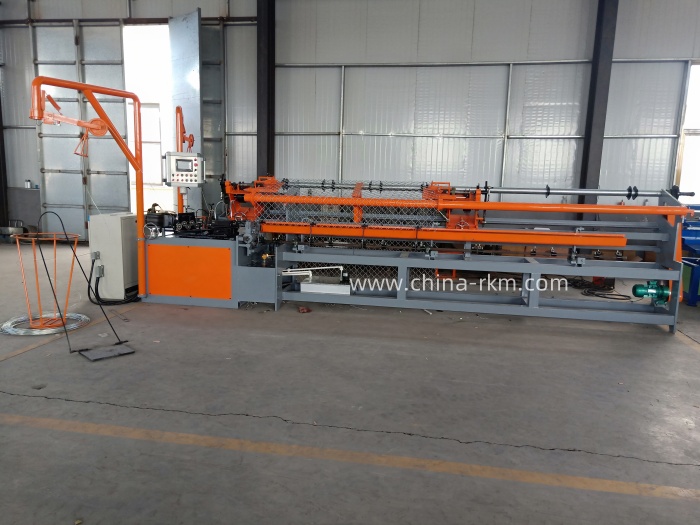
Automatic chain link fence machines are engineered to streamline the manufacturing process of chain link fences. These machines are equipped with advanced technology and components sourced from reputable manufacturers around the world, including Japan (SMC), Italy, and Germany. The integration of European design principles ensures that these machines are not only efficient but also reliable and easy to operate.
Key Components of the Machine
- Wire Feeding System: The wire feeding system is a crucial component that ensures a consistent supply of wire to the machine. This system typically includes a wire spool holder and an automatic feeding mechanism that pulls the wire from the spool and feeds it into the weaving section of the machine.
- Weaving Mechanism: The weaving mechanism is the heart of the chain link fence machine. It is responsible for interlacing the wire to create the characteristic diamond pattern of chain link fences. This mechanism can vary in design, but it generally includes a series of rollers and guides that facilitate the weaving process.
- Cutting System: Once the desired length of the chain link fabric is produced, the cutting system comes into play. This system accurately cuts the woven fabric to the specified length, ensuring uniformity in the final product.
- Edging and Curling System: After cutting, the edges of the chain link fabric are often curled or finished to prevent fraying and to facilitate easy handling. This system may include rollers that curl the edges or a separate mechanism for applying a protective coating.
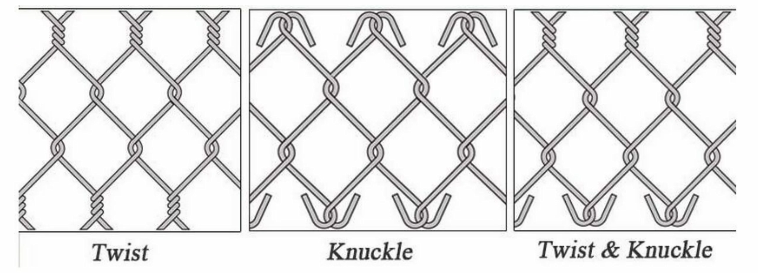
automatic chain link fence machine Edge treatment
5.Coiling or Packaging System: Finally, the completed chain link fabric is either coiled for easy transport or packaged for delivery. This system ensures that the final product is ready for shipment and meets customer specifications.
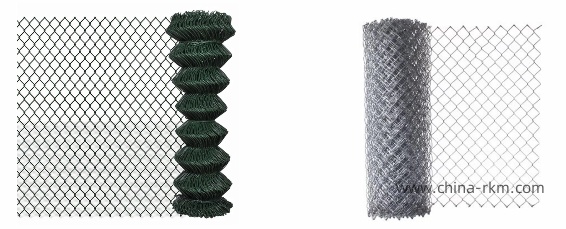
Coil mode
The Production Process: From Raw Material to Finished Product
The production process of an automatic chain link fence machine can be broken down into several key steps:
- Raw Material Preparation: The process begins with high-quality wire, typically made of galvanized steel or coated with PVC for added durability and corrosion resistance. The wire is sourced from reputable suppliers, ensuring that it meets industry standards.
- Wire Feeding: The wire is loaded onto the machine’s spool holder. The automatic feeding system then pulls the wire into the machine, where it is prepared for weaving. The wire tension is carefully controlled to ensure consistent weaving quality.
- Weaving: As the wire is fed into the machine, the weaving mechanism interlaces it to form the chain link fabric. The machine uses a series of rollers and guides to create the diamond pattern, which is a defining characteristic of chain link fences. The weaving speed can be adjusted based on the machine’s specifications and the desired output.
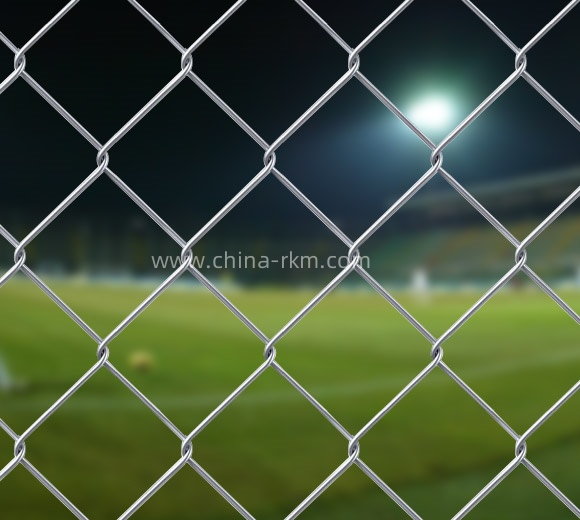
- Cutting: Once the required length of chain link fabric is produced, the cutting system activates. This system uses precision blades to cut the fabric at the desired length, ensuring that each roll of fence material is uniform and ready for installation.
- Edging: The edges of the cut fabric are then processed through the edging system. This step is crucial for enhancing the durability of the fence and preventing any sharp edges that could pose safety risks. The edges may be curled or finished with a protective coating, depending on the machine’s design.
- Coiling or Packaging: Finally, the finished chain link fabric is either coiled into rolls or packaged for shipment. The coiling system ensures that the fabric is neatly rolled for easy handling and transportation, while the packaging system prepares it for delivery to customers.
European Technology and Imported Components
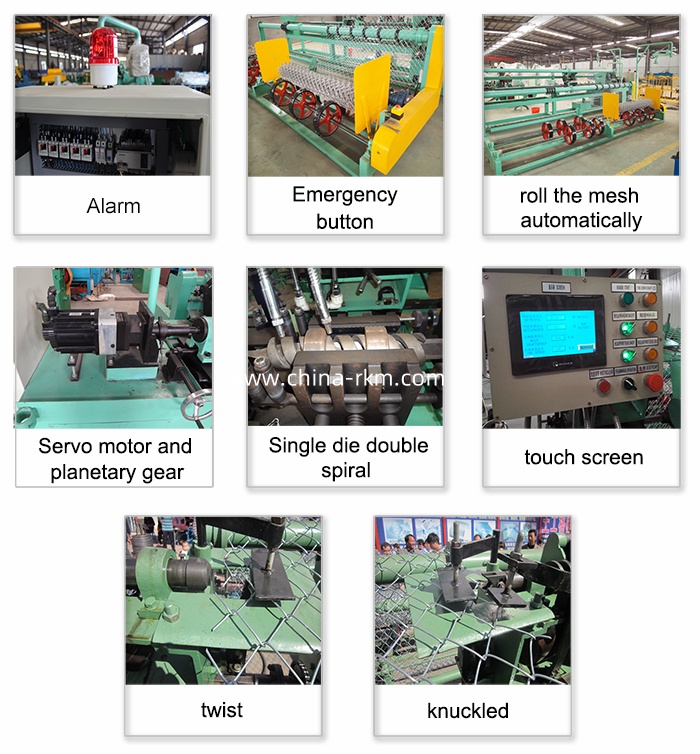
One of the standout features of automatic chain link fence machines is their reliance on high-quality components sourced from leading manufacturers in Japan, Italy, and Germany. For instance, the pneumatic components from SMC in Japan ensure reliable operation and precise control over the machine’s functions. Italian and German engineering contributes to the overall design, enhancing the machine’s efficiency, durability, and ease of use.
The use of European technology in the design of these machines allows for advanced automation features, such as programmable settings for different fence specifications. This means that operators can easily adjust the machine to produce various fence heights, mesh sizes, and wire gauges, catering to the specific needs of different customers.
Meeting Diverse Customer Needs
Automatic chain link fence machines come in various specifications to accommodate the diverse requirements of customers. These specifications can include:
- Wire Diameter: Machines can be designed to handle different wire diameters, typically ranging from 1.2 mm to 4.0 mm. This flexibility allows manufacturers to produce fences suitable for various applications, from light residential use to heavy-duty industrial fencing.
- Mesh Size: The machines can also be configured to produce different mesh sizes, with common options including 2-inch, 2.5-inch, and 3-inch openings. This versatility enables manufacturers to cater to specific market demands.
- Production Speed: Different models of automatic chain link fence machines offer varying production speeds, allowing manufacturers to choose a machine that aligns with their production goals. High-speed machines can significantly increase output, making them ideal for large-scale operations.
- Customization Options: Some machines come with additional features, such as the ability to apply coatings or colors to the wire during the production process. This customization can enhance the aesthetic appeal of the finished product and expand market opportunities.
Conclusion
In summary, an automatic chain link fence machine is a vital piece of equipment for manufacturers looking to produce high-quality chain link fences efficiently. With its advanced technology, imported components, and European design principles, this machine streamlines the entire production process—from raw material feeding to the final packaging of the product. The versatility in specifications allows manufacturers to meet the diverse needs of their customers, making automatic chain link fence machines an essential investment for any fencing business. As the demand for chain link fences continues to grow, these machines will play a crucial role in meeting that demand with speed, precision, and reliability.
 Spanish
 English
 Russian
 Arabic
 Hindi
 Persian
 Portuguese
 French
 Panjabi
 Turkish
 Urdu
 Vietnamese
 Ukrainian
 Thai
 Kazakh
 Polish
 Romanian
 Danish
 Korean