
In-depth Analysis of Wire Drawing Machine Working Principle: From Equipment Structure to Process Flow
Wire drawing is a fundamental process in the manufacturing of wire products, converting thicker materials into finely drawn wire through a series of mechanical and thermal operations. Understanding the working principle of wire drawing machines is essential for manufacturers aiming to optimize their production processes and enhance product quality. This article provides an in-depth analysis of the wire drawing machine’s working principle, covering its equipment structure and the process flow from start to finish, with a focus on how RKM’s innovative designs elevate performance and efficiency.
Understanding the Wire Drawing Process
Wire drawing is a cold-forming process that involves reducing the diameter of the wire by pulling it through a series of dies. This operation not only changes the physical dimensions of the wire but also improves its mechanical properties, such as tensile strength and ductility. The wire drawing process is typically carried out in multiple stages, with each stage contributing to the final product’s specifications.
Key Objectives of Wire Drawing
- Dimensional Reduction: Achieving the desired wire diameter and surface finish.
- Mechanical Property Enhancement: Improving tensile strength and ductility through the cold work hardening process.
- Quality Control: Ensuring that the final product meets specific industry standards and customer requirements.
Equipment Structure of Wire Drawing Machines
The design and construction of a wire drawing machine play a crucial role in its efficiency and effectiveness. Here are the main components of a typical wire drawing machine:
1. Wire Feed System
The wire feed system supplies the wire material to the drawing process. It typically consists of:
- Payoff Spool: Holds the wire rod or coil, allowing for smooth feeding into the drawing machine.
- Straightening Rolls: Ensure that the wire is straight before entering the drawing dies, preventing defects during the drawing process.
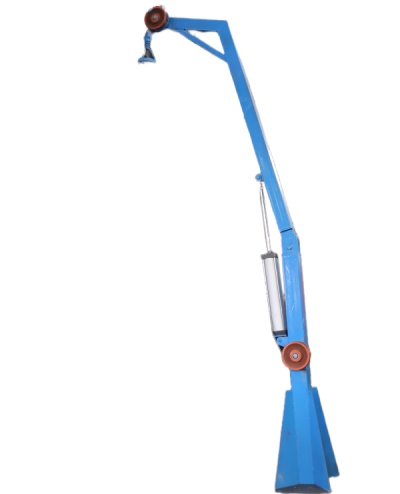
Pay-off stand
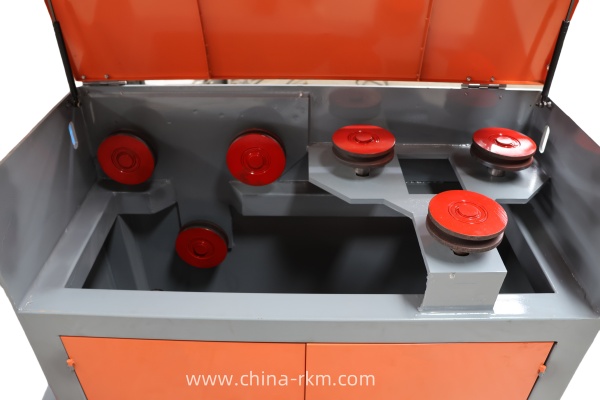
Straightening Rolls
2. Drawing Dies
Drawing dies are perhaps the most critical components of a wire drawing machine. They are precisely engineered to reduce the wire diameter incrementally.
- Die Material: Dies are usually made from high-strength materials such as tungsten carbide or tool steel to withstand wear and tear.
- Die Configuration: The shape and size of the die influence the drawing process and the final wire quality.

Drawing Dies
3. Drawing Mechanism
The drawing mechanism generates the necessary pulling force to draw the wire through the dies. This typically involves:
- Drive Motor: Powers the drawing mechanism, which can be either a single-drive or multi-drive system, depending on the machine’s design.
- Rollers and Sheaves: Guide the wire through the dies and help maintain the tension during the drawing process.
4. Lubrication and Cooling System
Effective lubrication is crucial for minimizing friction and heat generation during the drawing process. The lubrication system may include:
- Lubrication Reservoir: Stores the lubricant used during the drawing.
- Application System: Ensures consistent lubrication along the wire to reduce wear on the dies and improve surface finish.
Cooling systems may also be integrated to dissipate heat generated during the process, ensuring optimal working conditions.
5. Control Panel
Modern wire drawing machines are equipped with a simple control panel that allows operators to monitor and adjust various parameters in real-time, including:

simple control panel1
- Drawing Speed: The speed at which the wire is drawn through the dies.
- Tension Control: Maintaining appropriate tension to prevent wire breaks or defects.
- Lubrication Flow: Adjusting the lubricant application based on the wire material and drawing speed.
Process Flow of Wire Drawing Machines
The wire drawing process can be divided into several stages, each contributing to the overall quality and efficiency of the final product:
1. Preparation of Raw Material
The process begins with the selection and preparation of the wire rod or coil. This includes:
- Material Selection: Choosing the appropriate material based on the desired wire properties and application requirements.
- Cutting and Straightening: Ensuring the wire rod is cut to the desired length and straightened for smooth feeding into the machine.
2. Initial Drawing Stage
In this stage, the wire is drawn through the first set of dies:
- Entry into the Machine: The straightened wire enters the drawing machine through the payoff spool.
- First Pass: The wire is pulled through the initial die, reducing its diameter and elongating it. This stage may involve moderate drawing speeds to ensure quality.
3. Intermediate Drawing Stages
As the wire progresses through the machine, it is drawn through successive dies:
- Incremental Reductions: Each die reduces the diameter of the wire further. The drawing speed and tension may be adjusted between stages to optimize performance.
- Lubrication: Adequate lubrication is applied at each stage to minimize friction and heat.
4. Final Drawing Stage
In the final stage, the wire reaches its target diameter:
- Quality Control: Operators monitor the wire for consistency in diameter and surface quality. Any deviations can lead to defects that must be addressed.
- Cutting and Coiling: Once the desired diameter is achieved, the wire is cut to length or wound onto spools for further processing or delivery.
5. Post-Processing
After drawing, the wire may undergo additional processes such as annealing or surface treatment to enhance its properties:
- Annealing: This process involves heating the wire to relieve stress and improve ductility, which is particularly important for applications requiring flexibility.
- Surface Treatment: Coatings or treatments may be applied to enhance corrosion resistance or improve electrical conductivity.
RKM’s Approach to Wire Drawing
RKM’s wire drawing machines are designed with a commitment to quality and efficiency, integrating advanced technology and innovative features to optimize the wire drawing process:
1. Enhanced Torque Control
RKM machines incorporate advanced torque control systems that allow for precise adjustments during the drawing process. This ensures consistent wire tension, reducing the risk of defects and improving overall quality.
2. Intelligent Monitoring Systems
The intelligent monitoring systems in RKM machines provide real-time feedback on drawing parameters, allowing operators to make informed adjustments quickly. This capability enhances production efficiency and reduces downtime.
3. Durability and Reliability
Built from high-quality materials, RKM wire drawing machines are designed for durability. Their robust construction minimizes wear and tear, ensuring reliable performance over extended periods of operation.
4. Comprehensive Support and Training
RKM not only provides state-of-the-art machinery but also offers comprehensive support and training to operators. This commitment ensures that customers can maximize the potential of their wire drawing machines and maintain high-quality production standards.
Understanding the working principle of wire drawing machines is essential for manufacturers seeking to optimize their production processes. The intricate relationship between equipment structure, torque control, and process flow plays a critical role in determining the quality of the final wire product.
RKM’s high-precision wire drawing machines exemplify how advanced technology can enhance the wire drawing process, from the initial feeding of raw materials to the final output of high-quality wire. By focusing on torque management, intelligent monitoring, and durable construction, RKM enables manufacturers to achieve superior wire quality and efficiency, driving success in an increasingly competitive market.
As the wire industry continues to evolve, investing in a high-quality wire drawing machine is essential for staying ahead of technological advancements and meeting the demands of modern applications. With RKM’s innovative solutions, manufacturers can ensure their wire products meet the highest quality and performance standards, paving the way for sustained growth and success.
 English
 Russian
 Arabic
 Hindi
 Persian
 Portuguese
 French
 Panjabi
 Turkish
 Urdu
 Vietnamese
 Ukrainian
 Thai
 Kazakh
 Polish
 Romanian
 Danish
 Korean